There is a special kind of person in every family, every friendship circle and every workplace.
The fixer.
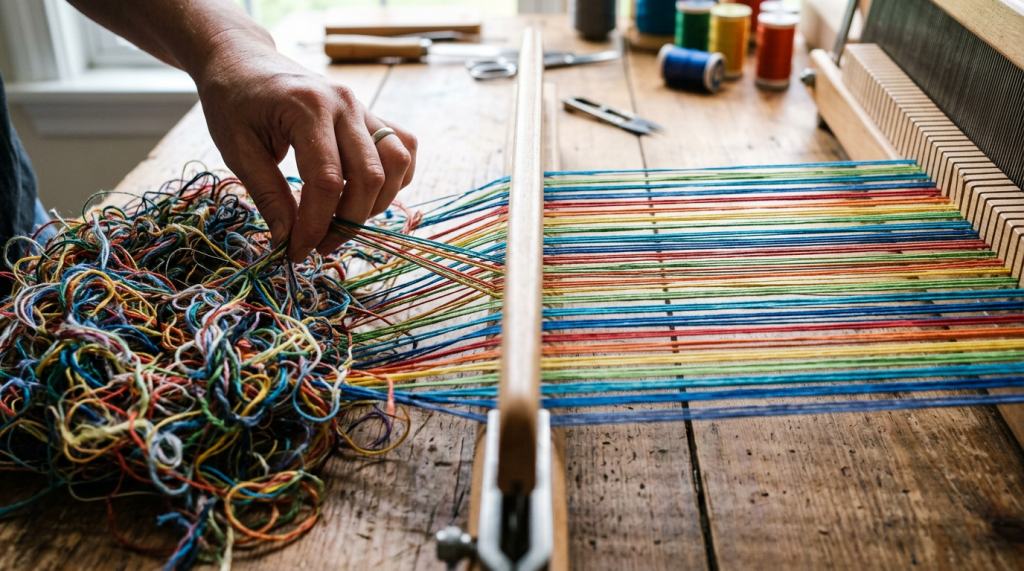
You know who they are. They are the ones people call when things go wrong. They are the calm voice during a crisis, the problem-solver when everyone else is stuck, and the person who somehow finds a way forward when there doesn’t seem to be one.
For many years, I wore that badge with pride.
In fact, most leaders do.
We build careers and businesses on our ability to solve problems. We become known for our reliability, our resilience and our willingness to carry more than our fair share. The better we become at fixing things, the more people bring us to fix. And that’s where the trouble begins.
What nobody tells you is that being the fixer comes with a hidden cost. The cost is not the workload. The cost is becoming everyone’s first call and your own last priority.
Somewhere along the line, many fixers start believing they have to have all the answers. They become uncomfortable asking for help because they are the ones who are supposed to provide it. They keep moving because stopping feels selfish. They keep carrying because putting the load down feels like failure.
The irony is that the people who spend their lives solving problems are often the least likely to admit when they are struggling.
I’ve learned that leadership is not about carrying everything. It is about knowing what belongs on your shoulders and what doesn’t. I learnt this lesson the hard way after almost falling apart from stress and “demand”
Not every problem is yours to solve. Not every fire requires your attendance. Not every challenge needs your intervention. Sometimes the most effective thing a leader can do is step back and allow others to step forward. If they don’t take the step forward, perhaps they are not the right person to be part of your army.
That doesn’t mean abandoning responsibility. It means creating space for growth. Teams become stronger when they are trusted to solve problems. Relationships become healthier when responsibility is shared. Businesses become more sustainable when they don’t rely on a single person holding everything together.
The truth is that fixers need fixing too. They need rest. They need support. They need permission to be human. Most importantly, they need to understand that their value is not measured by how much they carry.
The world will continue to produce problems. There will always be another challenge waiting around the corner. Another crisis. Another curveball.
The goal isn’t to carry them all. The goal is to carry the right ones.
And perhaps the strongest thing a fixer can learn is that sometimes putting the toolbox down is not weakness.
It’s wisdom.
 Coffee, Culture and Curveballs