
Tag: teamculture

  • The Hidden Costs of Staying in Your Comfort Zone

    The Hidden Costs of Staying in Your Comfort Zone

    Comfort zones are lovely places. They’re warm, familiar, and predictable. They feel safe. But do you know what else they are? Useless for growth. Comfort zones are like that soft couch you sink into after a long day — great for a nap, terrible for getting anything meaningful done.

    And here’s the leadership truth nobody really wants to hear: comfort zones don’t pay the bills. They don’t grow your business. They don’t inspire innovation. They don’t stretch your team. All they do is lull you into a false sense of security while the world outside keeps moving, changing, and leaving you behind.

    The tricky part is that comfort doesn’t look dangerous. In fact, it feels like success. When things are running smoothly, when the numbers look stable, when you’ve got a rhythm that works — that’s when the danger creeps in. You convince yourself you’ve “figured it out.” But the moment you stop stretching, you start shrinking. Markets don’t freeze just because you want to take it easy. Competitors don’t pause while you enjoy the status quo. The clients you serve today will expect more tomorrow. Comfort today leads to irrelevance tomorrow.

    Stepping into discomfort, on the other hand, is where the growth lives. Discomfort forces you to learn. It sharpens you, tests you, and makes you rethink assumptions. It might feel like chaos in the moment, but it’s also the spark that pushes businesses to adapt, leaders to innovate, and teams to stretch further than they thought possible. Discomfort is where you build muscles, while comfort zones are where those muscles slowly atrophy.

    Of course, nobody enjoys discomfort. Leaders don’t wake up in the morning saying, “Fantastic, I can’t wait to face something that terrifies me today.” But the leaders who grow know they can’t avoid it. They walk into it, even when their instinct says run. They understand that the uneasy conversation, the bold new strategy, the scary investment, or the risk of trying something new — those are the very things that keep a business alive and thriving.

    Think of every major leap forward you’ve ever made, personally or professionally. Did it come from being comfortable? Probably not. Comfort keeps you where you are. Growth drags you into new, sometimes awkward, sometimes sweaty-palmed territory. The comfort zone whispers, “Stay here, it’s fine.” Discomfort says, “Step out, it’s risky.” And progress lives on the side of discomfort every single time.

    Leaders who cling to their comfort zones risk becoming fossils in their own businesses. It’s not that they lack skill or intelligence — it’s that they stopped moving. And if you stop moving, the world doesn’t wait for you to catch up. The asteroid doesn’t send a calendar invite. Suddenly, you’re a dinosaur wondering how everything changed so quickly.

    Here’s the other problem: when leaders stay in their comfort zones, their teams do too. People follow the example that’s set for them. If they see leadership avoiding tough calls, dodging risk, or rejecting change, they’ll copy that behaviour. Culture settles into complacency. Innovation stalls. And then leaders start asking, “Why is nobody stepping up?” The answer is simple: because you didn’t.

    Stepping into discomfort doesn’t mean reckless risk-taking. It doesn’t mean throwing everything you’ve built out the window. It means intentionally pushing into spaces that feel challenging. It’s saying yes to growth when no feels safer. It’s setting stretch goals that make the team nervous, but excited. It’s trying new strategies before the old ones stop working. It’s listening to new voices, even when you’re sure you’ve got the answers.

    In practical terms, this could look like:

    • Launching that new service line before you feel “ready.”
    • Hiring for potential and cultural alignment, even if the CV isn’t the most polished.
    • Having the tough conversation with the team member who’s dragging the culture down.
    • Adopting new technology while competitors are still arguing about it.
    • Saying no to a client who doesn’t fit your values, even if it means short-term loss.

    Each of these decisions is uncomfortable. None of them come wrapped in certainty. But each one creates growth. And the cumulative effect of those decisions is what separates businesses that survive from those that thrive.

    The truth is, comfort zones are expensive. They cost opportunities. They cost innovation. They cost momentum. And eventually, they cost relevance. Leaders who wait until discomfort is forced on them often find they’re already behind. Leaders who choose discomfort — who step into it intentionally — are the ones who stay ahead.

    So the next time you feel that knot in your stomach before a decision, pay attention. That’s not always a warning sign. Sometimes it’s the indicator you’re exactly where you should be. Because the place where you feel stretched, where you feel slightly unprepared, where you’re not entirely sure of the outcome — that’s the place where growth happens.

    And if you’re still wondering whether stepping into discomfort is worth it, just remember: comfort zones don’t pay the bills. They never have. They never will.

    So step out. Stretch. Take the risk. Have the hard conversation. Try the new idea. Because the cost of staying comfortable is far higher than the cost of being uncomfortable.

    And besides — nobody ever built an extraordinary business by staying cosy on the couch.
  • The Art of Recruiting the Right People

    The Art of Recruiting the Right People

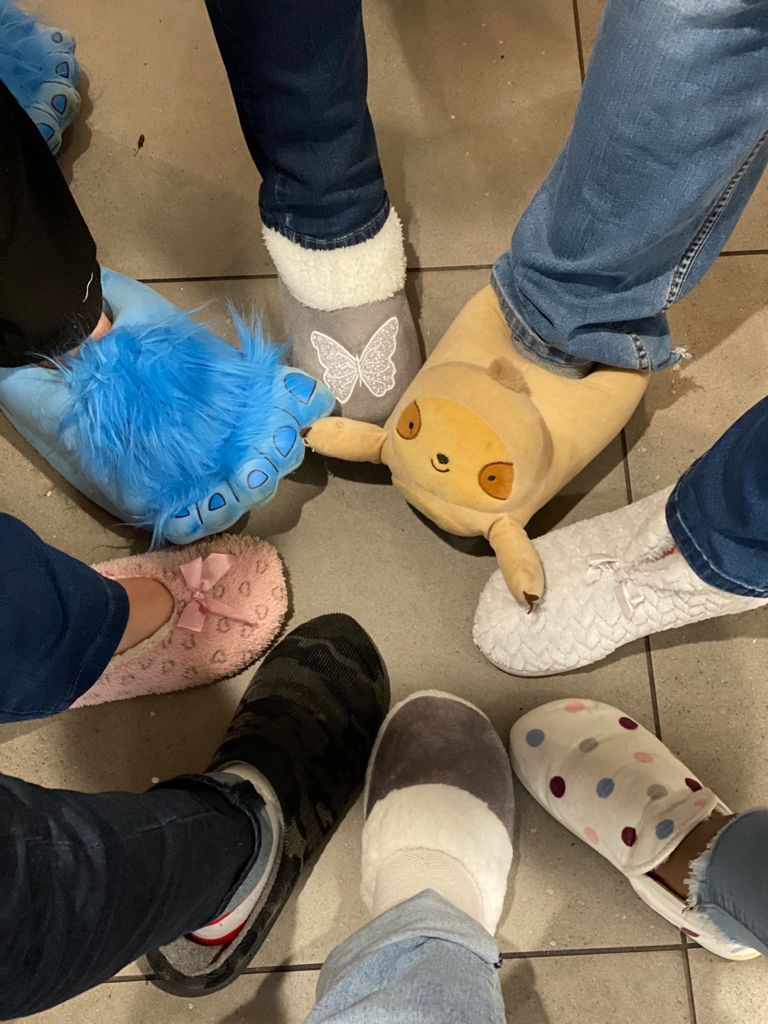
    Everyone is unique. Find the right match for your culture.

    Because coffee is essential for survival, culture makes or breaks a business, and life… well, life always throws a few curveballs.

    Recruiting isn’t about filling seats. It’s about shaping the future of the business. The people you bring in define the culture, the reputation, and the ability of the business to grow. Which means every hire is either a step forward… or a step back.

    And let’s be honest: we’ve all had that one hire who looked fantastic on paper but turned out to be about as useful as a screen door on a submarine. That’s why the rule is simple: don’t just hire smart people — hire the right people. Experience in the industry can be the biggest setback when trying to move forward.

    Culture is like Wi-Fi: you can’t always see it, but when it’s weak, everyone notices.

    A company’s culture is the invisible framework that drives how people think, act, and treat clients. When someone aligns with that culture, they amplify it. When they don’t, they disrupt it.

    The best hires see their career as an ongoing project, not a final product. They’re the ones who read, ask questions, seek feedback, and occasionally send you an article at 11pm because they’ve just discovered a new trend (you can curse them for the late-night email, but you’ll secretly admire it too).

    A team made up of these kinds of people raises the bar for everyone else. Growth-minded people are contagious — in the best possible way.

    The business world changes faster than the hairstyle choices of a teenager. If your team can’t adapt, you’ll be stuck playing catch-up.

    The right people don’t just tolerate change — they lean into it. They’re the ones who suggest smarter ways of doing things, who aren’t afraid of new tech, and who look at disruption as a chance to get ahead. The wrong people, meanwhile, will still be clutching their flip phones while the rest of the industry moves online.

    It’s like dating…

    Recruiting is like dating — if you rush it, you’ll regret it. Filling a vacancy with the first available option usually ends in heartbreak (and possibly legal fees). Be intentional.

    • Hire for values, not just skills. A great CV means nothing if the values don’t line up.
    • Ask culture-driven questions. “Tell me about a time you chose long-term gain over a quick win.” If they stare blankly, you’ve got your answer.
    • Look for curiosity. People who ask good questions in an interview are more likely to keep learning.
    • Test resilience. Ask how they’ve handled failure or change. If they’ve “never failed,” either they’re lying, or they’ve been asleep for most of their career.
    • Don’t rush. A short vacancy is less painful than a long-term mistake.

    The right hire is like planting a tree: the benefits grow over time and provide shade for years to come. The wrong hire is more like planting a weed: it spreads quickly, chokes the good stuff, and takes forever to remove.

    The impact of recruiting the right people shows up in team energy, client satisfaction, and business sustainability. And the impact of hiring the wrong ones? Let’s just say it’s the gift that keeps on giving — and not in a good way.

  • What You’ll Find Between the Coffee and the Curveballs

    What You’ll Find Between the Coffee and the Curveballs

    Because coffee is essential for survival, culture makes or breaks a business, and life… well, life always throws a few curveballs.

    Every good series needs an introduction, so here’s mine. It’s not a blueprint, not a textbook, and certainly not a “10 steps to guaranteed success” kind of thing (if only it were that simple). This is just me — sharing what I’ve learned, what I’ve messed up, what I’ve tried, and what I’ve seen in business, leadership, and life.

    The series is called Coffee, Culture & Curveballs for three reasons:

    1. Coffee is essential. Without it, most of us wouldn’t make it through the first email of the day, never mind a board meeting.
    2. Culture is the heartbeat of any business. It’s what keeps strategy alive, teams motivated, and clients coming back. Get it right, and everything flows. Get it wrong, and… well, you’ll be needing more coffee.
    3. Curveballs are inevitable. Life, leadership, real estate, business — they all have a way of throwing surprises when you least expect them. Some you swing at and miss, some you connect with beautifully, and some smack you square on the head and leave you dazed for a bit.

    I’m not writing this series because I have all the answers. Far from it. If leadership has taught me anything, it’s that nobody really has it all figured out. We’re all just trying, failing, adjusting, and trying again. But along the way, I’ve read books that made me rethink everything, worked with people who taught me lessons (sometimes the hard way), and lived through experiences that were equal parts humbling, frustrating, and funny in hindsight.

    Some of what I’ll share will be lessons in leadership, some in running a business, and some in just navigating life when it feels like the universe is throwing curveballs faster than you can duck. I’ll share what worked, what didn’t, and what I’d never, ever do again (consider this a gift to your future self).

    You’ll find stories about hiring the right people, protecting culture like your life depends on it, stepping out of comfort zones, avoiding the dreaded “rotten apple hire,” and the ongoing battle of resisting easy wins when the long game matters more. And yes, there will be dinosaurs, apples, and the occasional dodgy metaphor involving Wi-Fi.

    This isn’t about being perfect. It’s about being intentional. It’s about leading in a way that balances business goals with human realities. And it’s about remembering that coffee, culture, and curveballs aren’t just catchy words — they’re the daily reality of anyone trying to lead, grow, and survive in business. So grab a cup, settle in, and join me for the ride. I can’t promise I’ll always be right, but I can promise it’ll be honest, light-hearted, and hopefully useful. And if nothing else, at least you’ll get a laugh or two along the way.